The Silence of Nordic Fjords: Living Off-Grid in Western Norway
Essay by Henrik Lindqvist • Photography by 111111 Studios
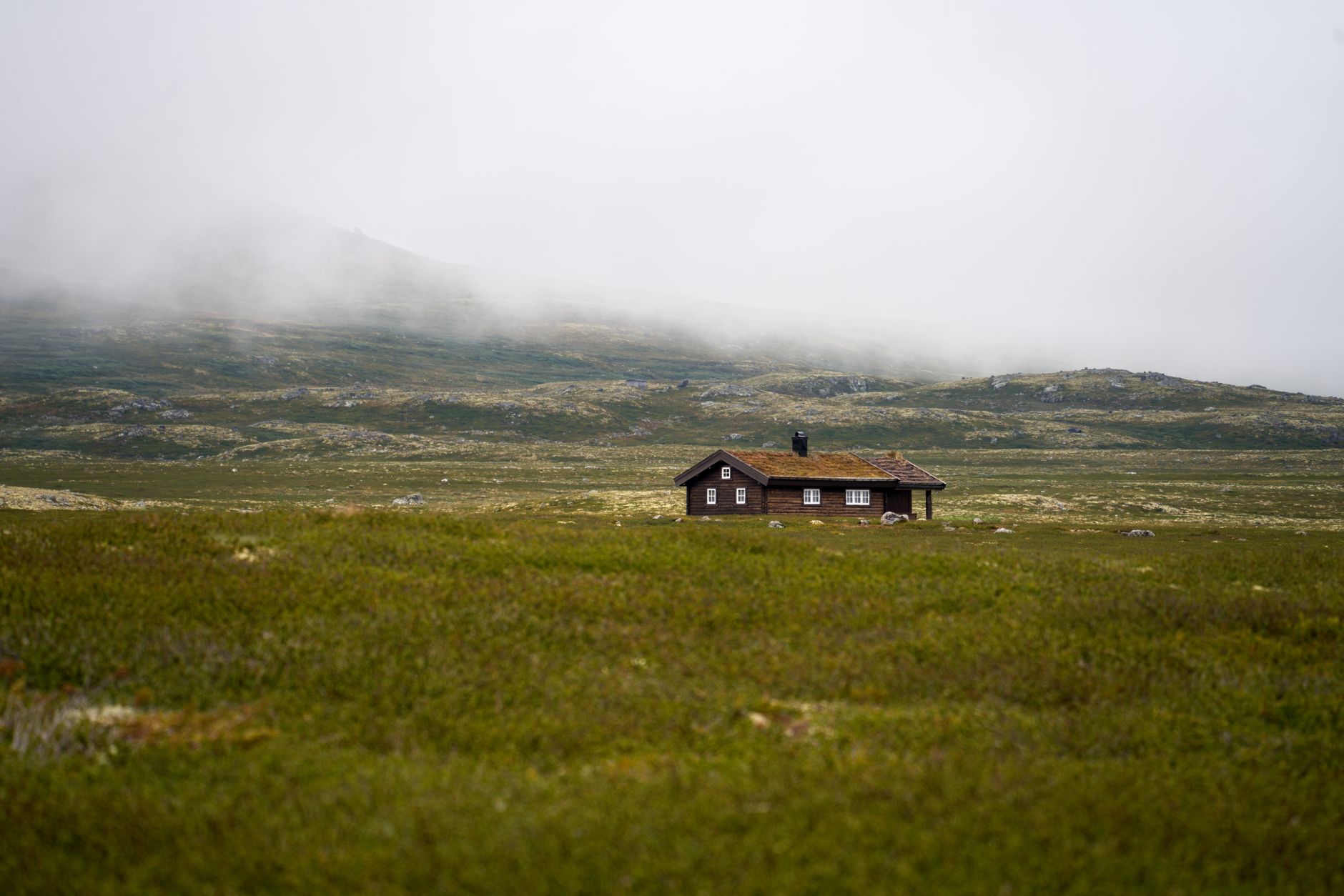
The air in Nærøyfjord smells of wet spruce needles, granite salt, and ancient snow. When the morning electric ferry vanishes around the bend, the silence descends like a tangible woolen blanket. It is not an empty void, but an intense acoustic canvas populated by the hiss of distant waterfalls and the soft slap of tide against dark metamorphic rock.
1. The Quality of Water
Glacial fjords possess a distinct optical density. The waters absorb the emerald reflectance of vertical pine forests, shifting from viridian to obsidian as storm clouds gather above the plateau. Living here for three weeks forces a radical recalibration of internal tempo.
"To sit on a wooden jetty at four in the afternoon and listen to nothing except water moving beneath cedar posts is the ultimate antidote to contemporary acceleration."
2. Wooden Sanctuaries
Modern Scandinavian architects have pioneered shelters that do not dominate this landscape, but submit to it. Clad in untreated kebony timber and capped with sedum roofs, these minimalist pavilions touch the ground lightly on discreet steel stilts. Inside, warm birch plywood lines the walls, oriented around a single wood-burning stove and a massive glass aperture framing the fjord.
3. Daily Cadence
Days are punctuated by wood chopping, morning plunges into fifty-degree water followed immediately by smoke sauna sessions, and long rowing journeys to procure smoked trout and sourdough from isolated homesteads. When darkness falls, the northern sky reveals constellations unobstructed by urban radiance.
Plan Your Nordic Solitude Journey
111111 arranges low-impact, private architectural stays in Western Norway with local guides and zero-emission transit.
Inquire With Our Specialists