Kyoto's Hidden Tea Pavilions: Ritual, Umami, and Ceramic Masters
Essay by Aoi Tanaka • Photography by 111111 Studios
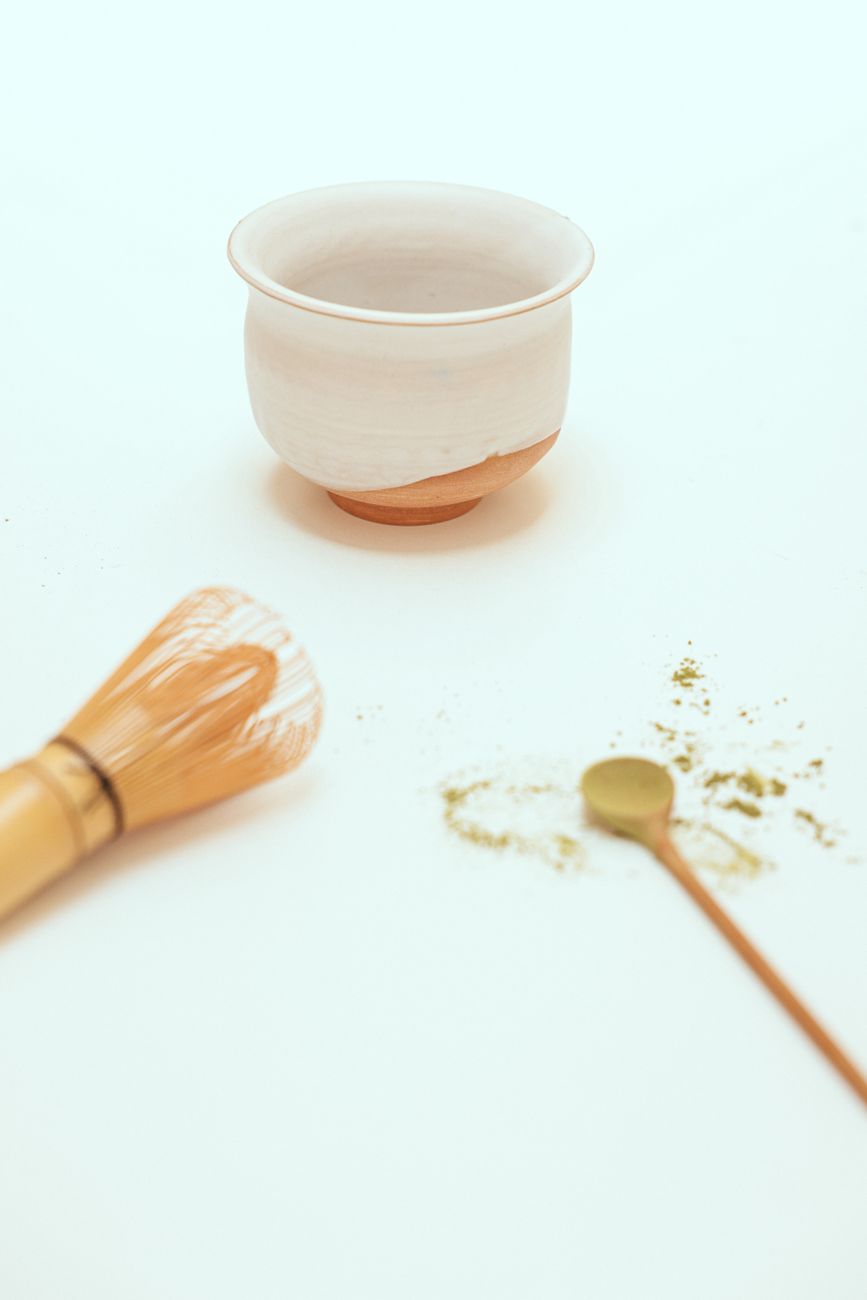
Behind cedar fences covered in moss along the foothills of Higashiyama lies an ancient world of concentrated awareness. Here, the preparation of a single bowl of matcha is not performance art, but a philosophical meditation on hospitality, impermanence, and season.
1. The Mist of Uji
Just thirty minutes south of Kyoto, where the Uji River curls through gravel beds, early morning vapor shades the tencha tea bushes. Shade-grown for three weeks before harvest, the leaves develop intense concentrations of L-theanine, yielding that quintessential balance of sweet vegetal grassiness and rich umami.
"Ichigo ichie: treasure every unrepeatable encounter, for this water, this charcoal flame, and these companions shall never meet again in the exact same hour."
2. Inside The Tearoom
Entering a four-and-a-half tatami mat chashitsu requires bending low through the crawl door, a gesture historically forcing samurai to leave their swords outside. Inside, a single seasonal flower rests in a bamboo vase, deliberately off-center. Every whistle of the iron kettle echoes the sound of wind whistling through mountain pines.
3. Raku Ware & Clay
The tactile intimacy of drinking tea is inseparable from the ceramic vessel. In small wood-burning kilns, master potters shape dark Raku bowls by hand without a wheel. Imperfect, textured, and surprisingly warm in the palm, each piece celebrates wabi-sabi: the quiet dignity of organic flaw.
Experience Kyoto's Artisan World
Gain private entry into historic tea family kilns, botanical gardens, and Zen retreats with 111111 bespoke itineraries.
Request Cultural Journey Details